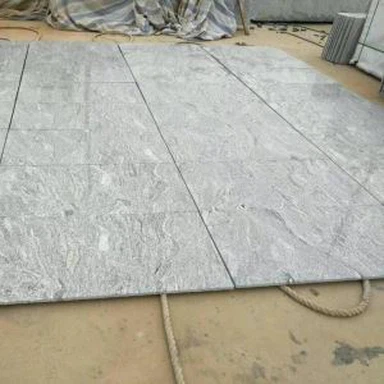


Where Does Grey Granite Come From?
Dec 21, 2020
Although granite is the most common inflammatory rock found on the surface of the Earth and is used to make many objects in our daily lives, it is not recognized by many people. The minerals that granite is made of give it the unique colours that can be seen in different types of granite.
It is also important to note that the commercially advertised granite colors, such as black granite, are most likely not the same as the actual color of the rock itself. You should know that black slabs are really granite And they're really granite. The stone you pick up is all black and probably gabbro, which makes for an excellent surface in the kitchen. This granite slab has a dark brown-black color with a black base and a white ceiling.
The colour comes from amazonite, a kind of feldspar, and the mineral composition gives granite a red, pink, grey or white colour. The most common colour of granite is grey-brown, with black and brown minerals accounting for 15% of all granite stones. It is possible to find true granite colors, but mostly green granites are rare, although granite may be available if it contains a green feldspar mineral called Amazonite.
In most cases, however, green granite is most likely basaltic, and many granite suppliers offer gabbro or basalt for customers who want a natural stone, solid and black. Capitol Granite offers hundreds of granite colors, so you can find granite in many different shades of green, red, blue, yellow, orange, pink, violet, white and even blue. If you are looking for granite with little to no veining or colour variation, this is the perfect choice.
If you can't decide between red granite and grey granite, there are even countertops that have a mix of colours. A big advantage of grey quartz granite is that it fits almost any colour scheme and is available in so many different colours that decoration and accessories for your kitchen are child's play with this mild granite colour.
It has more colors, patterns, variety and movement that serve to hide things, and it includes a wide range of colors and patterns to choose from, such as red, green, blue, yellow, orange and black. Furthermore, black granite countertops with maintenance and care are just as good as their grey granite counterparts. Even if you need a wipe, your kitchen countertop will still look clean downwards after a day or two.
The mineral composition of the granite gives it many extraordinary types of granite, including colors such as blue, green, black and gold. The most common colors for granite are white, pink, yellow, gray and black, mainly because of its composition. However, if the molten rock contains abundant quartz minerals that make up amphibols, the black and white speckled granite that is usually seen on countertops is obtained.
If you would like to speak to a Granite Liquidators granite countertop specialist or if you are looking for the cheapest granite colour to embosse, please contact us. If you need to remodel your kitchen, a new granite base or granite backsplash, remodel your bathroom or a rebuilt kitchen and are looking for one of the most popular granite colors such as blue, green, yellow, black or gold, we can help you with all your granite needs. To see some of these most common granite colors in person, visit Galaxy Granites and Stone for more information.
If you are not sure which granite to choose for your kitchen countertop, you might want to consider beige granite. It is more neutral than other granite colours and does not make a strong design statement for the kitchen. If you are selling granite and do not know which granite colour is the most popular or which design is best for you, we recommend you read our advice on granite!
However, granite slabs behave on a colour basis, and depending on where the granite has formed, the minerals present in the stone will determine which colour it will be certain to have. It is the result of cooling the molten rock to granite, which in turn cools down to a temperature of about 200 degrees Celsius.
Granite is usually red, pink, grey or white, with dark mineral grains visible. White granite contains mainly minerals such as iron, calcium, magnesium, copper, zinc, iron oxide and copper sulphide. The combination of these minerals gives the granite its colour: white granite. It is an unusual form of granite that can be blue, green, black or gold - color and is often used in the United States.
Granite stones consist of many other minerals that enhance the colour variation and overall appearance. Perhaps the most useful definition of commercial granite is that which includes inflammable rocks such as gneiss and slate. Commercial granite can include rocks such as granite, sandstone, quartz, silica, granite oxide and quartzite, as well as volcanic rock.