

Differences Between Natural And Artificial Marble, And Refutation Of Radioactivity Myths
Jan 02, 2025
Understanding Marble: Natural vs. Artificial and Radioactivity Myths


Differences
Between Natural and Artificial Marble

Natural Marble
Composition and Formation: Natural marble is mainly composed of calcium carbonate (CaCO3), formed deep in the Earth's crust, and metamorphosed from limestone under high temperature and pressure.
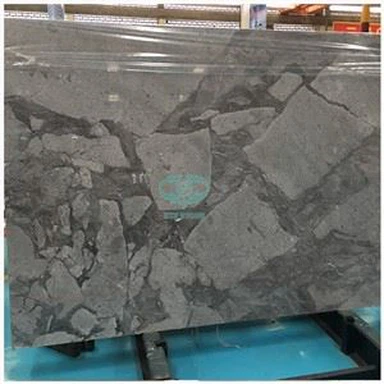
Texture and Color: It has unique natural textures and colors, and each piece is one of a kind.
Hardness and Strength: It has high hardness and wear resistance, but it is relatively brittle and prone to breaking.
Maintenance: Regular sealing and polishing treatments are required to maintain luster and prevent stain penetration.
Artificial Marble
Composition and Formation: Artificial marble is a composite material made by mixing natural marble powder, resin, pigments, and other materials under pressure.
Texture and Color: Textures and colors can be artificially controlled, offering more choices.
Hardness and Strength: Compared to natural marble, artificial marble has better toughness and is less likely to break.
Maintenance: Maintenance is relatively simple, with good stain resistance, and does not require frequent sealing and polishing.


Refutation of Marble Radioactivity Myths
The misconception about marble radioactivity mainly stems from concerns about the radioactivity of natural stone materials. In fact, the radioactivity level of marble is very low and far below the standard that poses a risk to human health.
Radioactivity Level:
The radioactivity of marble mainly comes from trace radioactive elements within it, such as uranium and thorium. However, the content of these elements is extremely low and not enough to affect human health.

National Standards: According to the International Atomic Energy Agency (IAEA) and national standards, the radioactivity level of marble is strictly classified and controlled, and only stones that meet certain standards can be used for construction and decoration.
Natural and artificial marble each have their advantages, and the choice should be based on actual needs and budget. At the same time, worries about the radioactivity of marble are unnecessary; they are both safe building materials. While enjoying the beauty and texture brought by marble, we can use this crystallization of nature and technology with confidence.