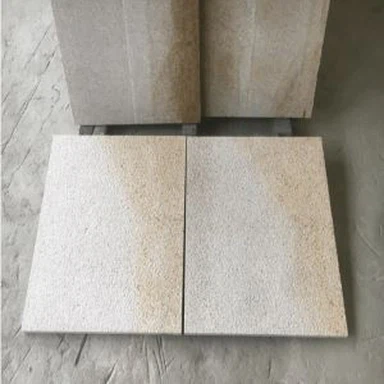


How To Choose Stone Furniture?
Dec 04, 2020
1. Pay attention to the surface of high-quality stone
The quality of natural stone depends on the quality and processing technology of the blocks. The surface of high-quality stone does not contain too many variegated colors, the color is average, and there is no flickering or thickening. After processing, the poor quality stone will have many "defects" that cannot be covered. The pattern color is an important indicator to evaluate the quality of stone. If the processing technology and craftsmanship are not related, the finished product after processing will show warping, dents, stains, stains, missing edges and corners, cracks, color lines, pits, etc. Of course, such a stone is not counted. Top grade .
2. Ground decoration to avoid'dark sky'
Use stone for home decoration. Don’t make the home “dark and dark”. You should choose light-colored stone as the floor decoration material, which can give people a warm and quiet feeling, and also expand the floor area.

3. The color of the countertop should be stain resistant
Stone decoration products enter the family, and more are made into countertops of various types of furniture. This requires consideration of pollution issues. Therefore, darker colors should be selected, such as green, blue, and red series of marble and granite , Those with large patterns in marble, the decorative effect will be better.
4. There is a set of paving maintenance
Because decorative stone is a natural product, the pattern and brilliance characteristics of each plate are different. It is necessary to gradually extend and transition the pattern and brilliance through mosaic (color) to achieve the overall color harmony. After the designs are put together, they should be numbered immediately so that they can be in place during installation. The number can be written on the board by sticking a label or using a wood crayon, but do not use liquid colored pens to write marks on the slate surface. Otherwise, the colored liquid will penetrate the stone and leave traces that cannot be erased.